
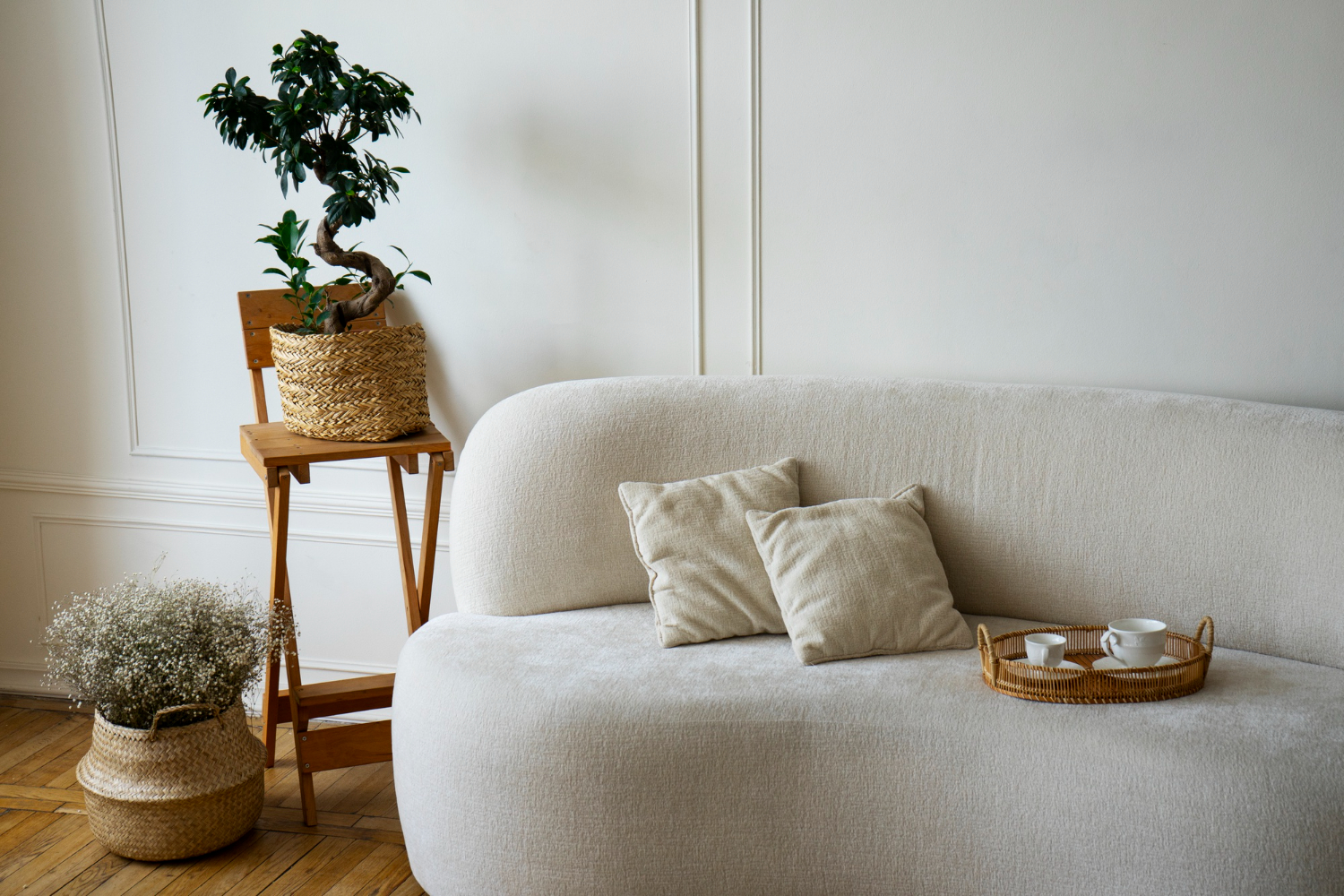
In a world filled with constant stimulation, clutter, and distractions, the minimalist home design trend offers a breath of fresh air. It emphasizes simplicity, functionality, and the idea that less can truly be more. Minimalism in home design goes beyond just removing unnecessary items; it’s about creating a peaceful, purposeful space that serves your needs while allowing you to live more intentionally. If you’re ready to embrace this design philosophy, here’s how to do it, step by step.
At its core, minimalist home design is about creating a space that feels clean, calming, and functional, focusing on what truly matters. The concept of “less is more” stems from the belief that by removing excess, you’re able to appreciate the things that truly bring joy, comfort, and function to your life.
Minimalist design doesn’t mean leaving a space barren or cold; instead, it’s about careful curation. Every item in a minimalist home serves a purpose, whether it’s aesthetic, functional, or both. There’s an emphasis on quality over quantity, with an appreciation for craftsmanship and lasting design.
One of the easiest ways to create a minimalist aesthetic in your home is by sticking to a neutral and limited color palette. Whites, grays, beiges, and muted tones are staples in minimalist design because they create a clean, serene backdrop for the space. These colors work harmoniously together and allow the beauty of each piece of furniture or artwork to stand out without clashing or overwhelming the senses.
While the base colors are muted, you can still introduce pops of color through textiles or accessories. For example, a deep navy throw pillow on a neutral sofa can add an elegant touch, or a soft green plant can introduce a refreshing hint of nature. However, it’s important to keep the overall palette subtle, as a restrained color scheme is key to achieving that peaceful, uncluttered feeling.
Minimalist design thrives on spaciousness. The idea is to keep your home feeling airy and open, which is why clutter and overcrowded spaces are avoided. Open spaces create a sense of freedom, calm, and flow—allowing natural light to fill the room and offering an inviting atmosphere.
When planning your minimalist layout, prioritize open floor plans and clear sightlines. Instead of overcrowding a room with furniture, opt for only essential pieces that complement the space’s overall feel. For instance, a sleek, simple sofa can stand alone in the living room without the need for excessive decorative pieces. By leaving space between furniture and open walkways, you’ll ensure that the room feels expansive rather than cramped.
In minimalist design, each piece of furniture should serve a clear function. Gone are the days of bulky, ornate pieces that take up space and serve no real purpose. Instead, opt for streamlined, multi-functional furniture that fulfills your needs while maintaining a clean, contemporary aesthetic.
For example, a storage ottoman doubles as both seating and a place to stash extra blankets or magazines. A modular sofa that can be rearranged as needed offers flexibility while keeping things tidy. Even your dining table can be minimalist—perhaps a simple, wooden table with clean lines, paired with chairs that offer both comfort and style without excessive detail.
When selecting furniture, focus on pieces that are well-made and timeless, rather than trendy. Quality over quantity is a hallmark of minimalist design. You don’t need an abundance of furniture pieces if each one serves its purpose and brings something of value to the space.
Lighting plays a vital role in any home design, but in minimalist homes, it’s especially important to create a warm, inviting ambiance without overwhelming the space. The key is to select lighting fixtures that are simple and functional but still contribute to the overall aesthetic.
Consider fixtures with sleek lines and a minimalist design. Recessed lighting or pendant lights with clean metal finishes work well in minimalist spaces. You may also want to incorporate lighting elements like floor lamps or table lamps with simple, unobtrusive designs that complement the room’s atmosphere.
Avoid overly ornate or overly complex light fixtures. Instead, focus on how the light can accentuate the space and create a sense of warmth, clarity, and openness. Task lighting, such as reading lamps or under-cabinet lights in the kitchen, is also a great way to add functionality while maintaining a minimalist feel.
Natural materials, such as wood, stone, marble, and metal, are key elements in minimalist design. These materials add texture, warmth, and timeless beauty to your home without being
overwhelming. Rather than covering your furniture or surfaces with decorative accessories, let the inherent beauty of the materials take center stage.
Wooden floors or beams add warmth to the space, while a marble countertop can elevate the kitchen with understated luxury. Choose simple wood furniture—like a low-profile wooden coffee table or a streamlined dining chair—in natural finishes that show off the grain and texture. Metal accents in matte black or brushed nickel can provide an industrial touch, while still keeping things simple.
In minimalist design, the use of natural materials adds a layer of sophistication and helps to balance the otherwise simple, clean lines of the space. The goal is to make your home feel both grounded and elegant, without excessive ornamentation.
One of the defining features of minimalist design is the absence of clutter. While it may seem challenging to part with sentimental items or trinkets, embracing minimalism requires focusing only on what is essential or meaningful. By decluttering your space, you allow room for the things that truly add value.
Start by assessing each room in your home and asking yourself what is necessary and what can be removed. Are there items that are purely decorative and no longer bring joy? Is there clutter accumulating in hidden corners or drawers? Minimalist design encourages the idea that less is more—so consider donating or selling items that no longer serve a purpose.
When it comes to decoration, choose pieces that are meaningful and high-quality. A single piece of carefully chosen artwork can be more impactful than a wall full of framed photos. A well crafted vase or a statement sculpture can add beauty to the room without creating visual chaos. Each item should have a purpose and bring something positive to the space, whether it’s beauty, function, or both.
While minimalist design is often associated with simplicity, that doesn’t mean you can’t add depth and interest to your space. One effective way to do this is by layering textures. Textures add warmth and dimension to minimalist rooms, helping to create a balanced environment without the need for excessive decoration.
Incorporate textiles like linen, cotton, or wool in furniture, throw pillows, blankets, and rugs. A simple linen sofa can be complemented by a soft wool rug, creating an inviting atmosphere. Layering different textures adds warmth and richness to the space, making it feel comfortable and cozy rather than sterile.
Don’t be afraid to mix soft fabrics with more structured ones. A woven basket, for example, can serve as a storage solution while also adding texture to the room. Similarly, a concrete or stone accent can bring a sense of groundedness and modernity to a space while still maintaining that minimalist feel.
Open shelving is another hallmark of minimalist design. In the kitchen, bathroom, or living room, open shelving creates a streamlined, uncluttered look. When used thoughtfully, open shelving encourages you to keep only the essentials within reach, while still adding style to the space.
In the kitchen, open shelving can hold your favorite dishes, glassware, or cookbooks, offering both accessibility and visual appeal. In the living room, bookshelves without cabinet doors can display books, plants, and decorative objects, but without overwhelming the space. For open shelving to work in minimalist design, it’s important to keep it organized and clutter-free. You want each item to serve a purpose, whether it’s decorative or functional.
Lastly, minimalist design is all about allowing the space to breathe. This means leaving plenty of open, unoccupied space around furniture and keeping room for movement. Minimalism encourages simplicity and balance, and it’s important to avoid overcrowding your home with unnecessary items.
By embracing minimalism, you create a home that feels more spacious, more peaceful, and more intentional. You’ll find that your space is no longer cluttered by things you don’t need, and you’ll begin to appreciate the items you’ve carefully chosen even more.
Final Thoughts
The art of minimalist home design is about creating a space that’s clean, purposeful, and calming. It’s a design philosophy that allows you to focus on the essentials and make room for what truly matters. By embracing a neutral color palette, functional furniture, natural materials, and carefully selected decor, you can create a space that feels serene and inviting. Remember, less doesn’t have to be boring—it’s all about thoughtfully curated pieces that bring balance and beauty to your home. In the end, minimalism is about finding peace in simplicity.