
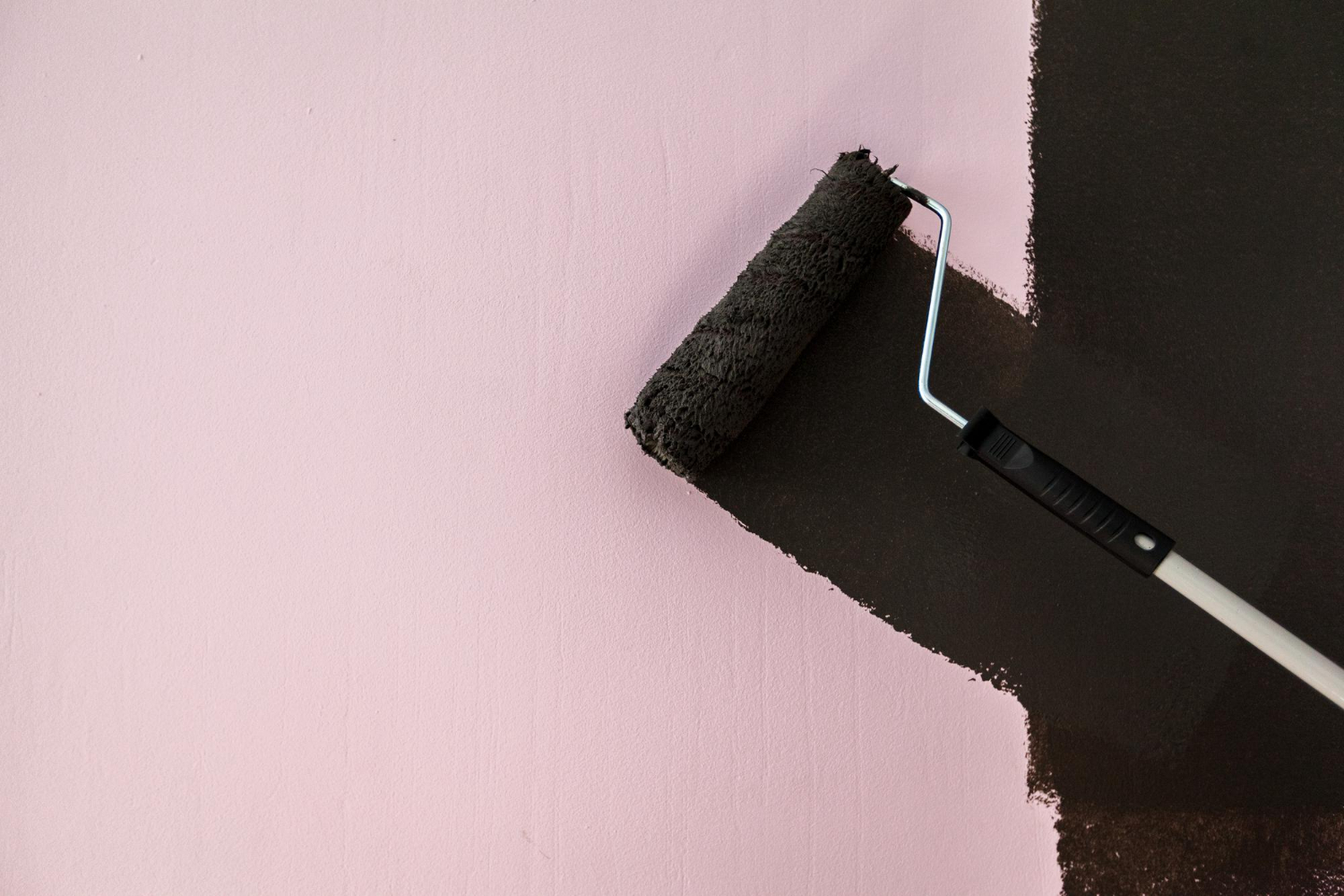
Color has the power to transform a space. It can evoke emotions, set the mood, and even make a room feel larger or more intimate. Whether you’re renovating your home or just looking to refresh a few rooms, creative use of color can give your home a brand-new vibe. If you’re unsure where to start, here are some innovative ways to use color in your home to elevate your living spaces.
Accent walls are one of the easiest ways to introduce color into a room without overwhelming the entire space. By painting just one wall in a bold color, you create a focal point that draws attention and adds drama. Choose a wall that naturally draws the eye, such as the one behind your bed or the fireplace in your living room.
When selecting your accent color, consider pairing it with neutral tones to balance the space. For example, a deep navy accent wall can look stunning with soft gray or white furnishings, while a vibrant mustard yellow can pop beautifully against a neutral beige background. Bold colors like emerald green or terracotta also work well in accent walls to introduce a sense of warmth and character.
One of the most straightforward ways to use color is through your furniture. Vibrantly colored furniture pieces, such as a bright red sofa or a teal armchair, can become the centerpiece of your room. If you have a neutral or minimalist color scheme, these bold furniture choices can instantly liven up the space.
Pairing contrasting colors in furniture also adds visual interest. Think of pairing a navy sofa with mustard-colored throw pillows, or a charcoal chair with rich burgundy accents. The key is to create a balance between the tones. Too many contrasting colors might clash, while a well planned mix adds excitement without overwhelming the space.
For a more sophisticated look, consider a monochromatic scheme where the furniture is all in various shades of one color. For instance, shades of green, from mint to forest, can create a cohesive yet dynamic look.
While most people tend to focus on the walls, one creative way to use color is on the ceiling. A brightly painted ceiling can add a unique and unexpected pop of color to any room. In a bedroom, a soft pastel ceiling, like powder blue or pale lavender, can give the room a serene
and calming atmosphere. For a bold statement, consider a deep color like teal or dark plum for a dramatic effect.
A painted ceiling can also work in rooms with natural wood features. Consider a vibrant contrast, such as a bold orange or coral ceiling paired with wooden beams or a reclaimed wood accent wall. The contrast between the natural wood and the vivid ceiling will create a dynamic look that adds warmth and character to the space.
In open-plan homes or large rooms, it can be difficult to define different areas. One of the most creative ways to use color in these spaces is to delineate each section visually. By painting different colors on walls or using color-coded furniture, you can create a sense of division between the living room, dining area, and kitchen.
For example, you can use soft, neutral tones for the main seating area, such as beige or gray, while adding a bold color to the dining area, such as teal or mustard yellow. This separation helps create a sense of structure while still maintaining an open flow between the spaces. Similarly, using different shades of a color for different zones—like a soft mint green for a reading nook or a light terracotta for the kitchen—will add character and make the space feel both cohesive and functional.
If you’re hesitant about committing to a bold color on the walls or furniture, introducing color through textiles and accessories is a great option. Colorful curtains, throw blankets, area rugs, and pillows can all be swapped out to change the mood of a room without the effort of painting or replacing larger pieces.
For instance, a neutral living room with gray walls can come to life with brightly colored throw pillows in shades of teal, mustard, and coral. Similarly, a plush velvet throw blanket in a rich jewel tone like emerald or ruby can add an air of luxury to your space. Area rugs in bold patterns or colors can also ground a room, adding both texture and vibrancy. Choose one in a complementary color to tie the space together and add dimension.
Additionally, try mixing patterns with color. Don’t be afraid to combine florals, stripes, and geometric patterns in complementary colors. This mix of textures and colors creates a dynamic and modern feel that’s still cohesive.
Kitchens are often the heart of the home, so why not make them stand out with a splash of color? Colorful kitchen cabinets are a bold, yet practical way to brighten up the space. For a
modern, high-energy kitchen, consider bright colors like lemon yellow, electric blue, or turquoise. These vibrant shades can give the space a fun, youthful vibe.
If you’re looking for something a bit more subdued, muted colors like sage green, soft teal, or matte black are equally stylish and can create a more timeless look. To balance the boldness of the cabinets, pair them with neutral countertops and backsplash designs to maintain harmony.
Incorporating colored kitchen accessories—such as appliances, dishware, and bar stools—can also enhance the look without requiring a complete overhaul.
Color doesn’t have to be confined to walls and furniture—your floors can also serve as a colorful canvas. Adding a colorful rug is an easy way to bring in color, but you can also go a step further by painting your floors or choosing colorful tiles.
In bathrooms or kitchens, colorful ceramic tiles can create a statement while maintaining a practical design. Bright mosaic tiles or bold geometric patterns in shades of blue, orange, or even black and white can turn your floors into a work of art.
If you’re considering painting your floors, a soft matte finish in hues like pale blush, mint green, or even a cool gray can bring new life to a room. Just make sure to choose high-quality, durable paint that’s meant for floor use to ensure long-lasting results.
Your entryway is the first impression guests will have of your home, so why not make it memorable with a creative color scheme? Bold colors like red, navy, or mustard yellow can create an inviting and cheerful entry. To complement this, use neutral furniture and decor elements like a wood bench or a soft woven rug.
If your entryway is small, use light, airy colors to make the space feel larger. Light blue, soft lavender, or creamy white will make the area feel more open and welcoming. You can also use color in your entryway with accessories like colorful lamps, mirrors, or artwork that can further reflect your home’s personality.
One of the most visually interesting ways to play with color is by mixing warm and cool tones within the same room. Warm colors, such as reds, oranges, and yellows, create a sense of energy and warmth, while cool colors, like blues, greens, and purples, bring a calming and relaxing vibe to a space.
When mixing these tones, it’s important to strike a balance so the room doesn’t feel too chaotic or overwhelming. Use warm colors as accents and cooler shades for larger elements in the room. For instance, pair a soft green sofa with warm-toned pillows, like amber or burnt orange, for a harmonious balance of both energy and relaxation.
Black and white are often seen as neutral or minimalist colors, but when used strategically, they can be incredibly powerful. A classic black-and-white room can feel timeless and sophisticated, while adding depth and contrast. Whether it’s black-and-white patterned wallpaper, a striped rug, or a black accent wall, these monochromatic tones can make your space feel polished and elegant.
For a more dramatic effect, mix black and white with a bold pop of color. A red or yellow accent can take a black-and-white room from simple to striking in an instant.
Final Thoughts
Color is one of the most effective tools in interior design. It has the power to change the way a room feels and looks, and when used creatively, it can reflect your personal style while making a space more functional and inviting. Whether you choose to experiment with bold accent walls, playful furniture, or soft textiles, incorporating color into your home will bring your design vision to life.